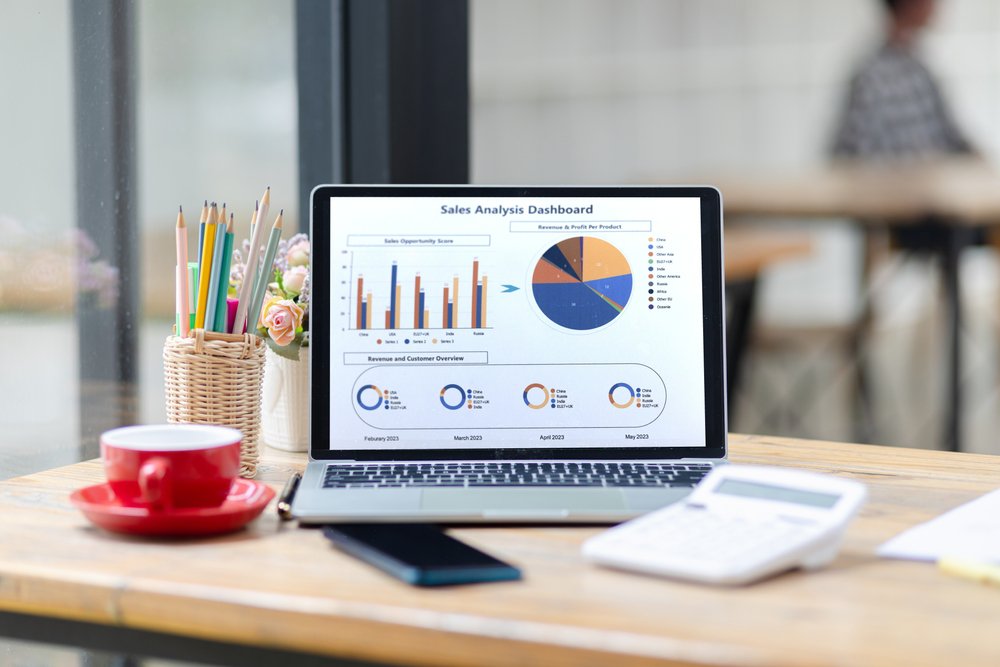

As a leader in the home improvement business, you’re likely familiar with the growing influence of technology across the industry. New software solutions can streamline operations, improve customer experiences and boost sales. Think everything from project management tools to customer relationship management (CRM) systems.
But balancing the many options for home improvement technology with a limited budget can be challenging. That’s why it’s critical to take a strategic approach as you choose the right technology for your business.
Aligning tech investments with your specific business goals is essential for long-term success. The right choice can enhance operational efficiency, boost customer service and empower your sales teams with the latest tools.
In this guide, we walk you through the key considerations for new tech. We’ll also explore how to calculate return on investment (ROI) to ensure the tools you select drive real value for your company.
Understanding Your Business Needs and Goals
When considering home improvement technology investments, it’s essential to start with a clear understanding of your business needs and goals. Technology should streamline your existing processes and support long-term growth. In the home improvement industry, the right tech solutions can address everything from operational efficiency to enhanced customer service.

The Potential Impact of Home Improvement Technology
For your internal team, technology can offer solutions such as HR management tools, workflow optimization software and professional development platforms. These tools increase employee satisfaction, reduce friction in daily tasks and enhance productivity.
On the customer-facing side, technology like CRM software can personalize interactions and track customer behavior. It also helps move prospects through the sales funnel more efficiently. What’s more, artificial intelligence (AI)-powered tools can improve response times and tailor communication to better meet customer needs.
Tips for Choosing the Right Investment
To ensure your tech investments align with your goals, first determine your key objectives. Identify the areas of your business where technology could have the most significant impact. For instance, improving customer satisfaction, boosting sales or optimizing internal workflows.
Weigh the upfront costs and long-term subscriptions against the potential ROI. Also, set clear key performance indicators (KPIs) to track the tool’s effectiveness over time.
Finally, consider the timeline for implementation and any potential disruptions to existing workflows. Throughout the process, get feedback from your team. This will ensure the technology you choose fits seamlessly into your daily operations and supports your business objectives.
Optimizing Operational Efficiency With Home Improvement Technology
The value of any tech investment lies in its ability to improve operational efficiency. Whether it addresses internal processes or enhances customer service, technology should streamline tasks. It should also free up your team to focus on their strengths, rather than tedious, manual responsibilities.
Such technology is especially important in the home improvement industry. Operational efficiency can directly impact customer satisfaction, project timelines and profitability.
Take project management systems, for example. These tools help create a clear chain of tasks and assignments to provide a roadmap that takes a project from ideation to completion. Simply put, they offer visibility into who’s responsible for what and when so no detail is overlooked. This reduces miscommunication and the time spent following up on task statuses. Your team can then stay focused on high-value activities like client interaction and on-the-ground project execution.
Similarly, an inventory monitoring system is a game-changer for minimizing wasted resources. Through automated inventory tracking, you eliminate errors like over-ordering or running out of stock. This is especially critical in the post-COVID-19 era, when supply chain disruptions are still a concern. An automated system helps your team stay on top of stock levels and avoid costly delays.
For customer-facing processes, CRM software can tailor communication based on where a customer is in the sales funnel. This level of automation and customization leads to faster decision-making so your sales team closes deals more efficiently.

Ultimately, operational technology investments lead to long-term cost savings and increased productivity. There may be a learning curve during onboarding. However, the right tools should quickly deliver efficiency gains and empower your team to work smarter, not harder.
Enhanced Visuals and Interactivity
In the home improvement industry, the ability to visualize space can make or break a sale. Yet many presentations take place over Zoom or in a conference room, where it’s harder to convey the full impact of your services. Fortunately, advancements in presentation technology open possibilities for making these interactions far more engaging.
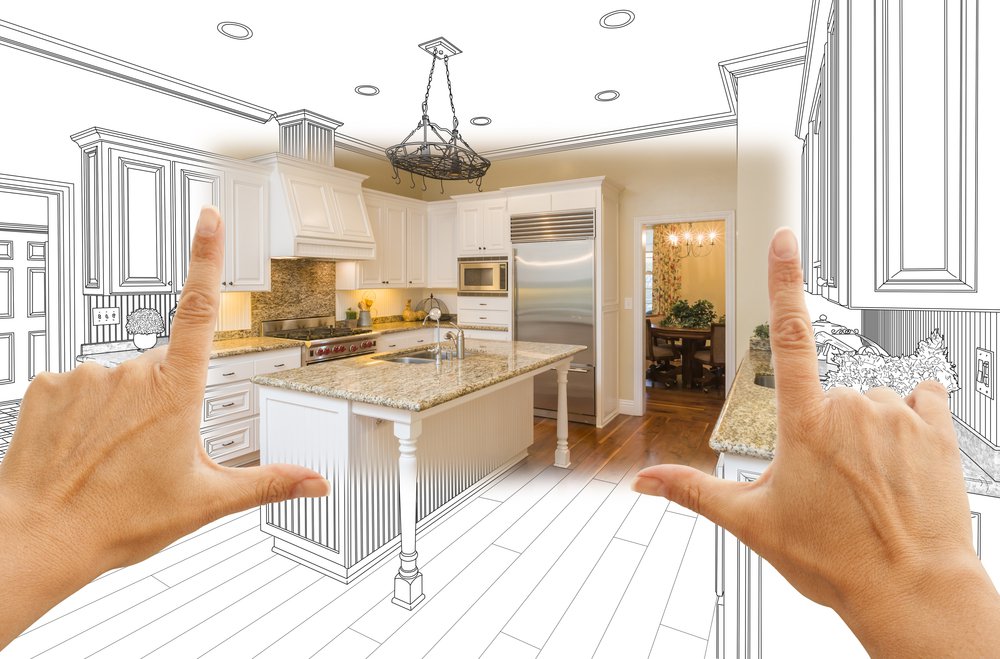
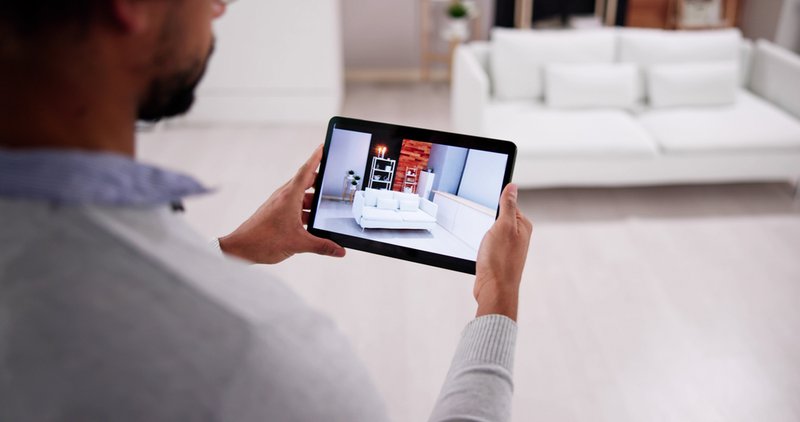
Generative AI, for instance, enables potential clients to visualize how a space could look after a renovation or with their preferred furnishings. It’s akin to bringing a piece of furniture home to try it in your space. With AI-driven visualization in your sales presentations, you can provide a more immersive experience that enhances the customer’s ability to picture the end result.
Similarly, integrating 3D modeling into your presentations can give prospects an understanding of your services that simple stats or descriptions can’t capture. For example, a detailed 3D walk-through of a remodeled kitchen or living space can significantly improve a client’s ability to grasp the project’s potential.
Beyond visualizing physical spaces, home improvement technology can also enhance how data is presented. Interactive videos, dashboards and immersive content can make complex information more digestible and engaging, whether you’re pitching to a client or presenting to stakeholders.
Take the experience of West Shore Home. After adopting Ingage’s Sales Enablement Suite, the company saw 9% higher closing rates and sales because their team was consistently delivering updated, cohesive messages. That’s effective presentation software at work.
Leveraging Data and Analytics for Decision-Making
In any industry, data is everything. Tracking and analyzing metrics such as employee performance, marketing conversion rates and revenue generation helps you refine your business strategy. As a result, you can enhance productivity, improve efficiency and ultimately boost your bottom line.
Fortunately, modern home improvement technology offers robust data tracking and analytics features that make this information easily accessible. This empowers you to make informed decisions that shape your business’s future.
Data and analytics are invaluable in driving smart business choices. The ability to monitor performance in real time enables business owners to identify trends and gaps and adjust their operations to stay competitive. Tools such as business dashboards and customer analytics platforms provide key insights into areas like sales performance, customer behavior and market trends. They offer a clear view of what’s working and what needs improvement.
With these data-driven insights, companies can refine their offerings and enhance the customer experience. For instance, a home improvement company might use customer analytics to understand which services are in high demand. This enables them to tailor their marketing strategies or expand specific product lines. Similarly, real-time sales data can inform resource allocation so high-demand services receive the attention they deserve.
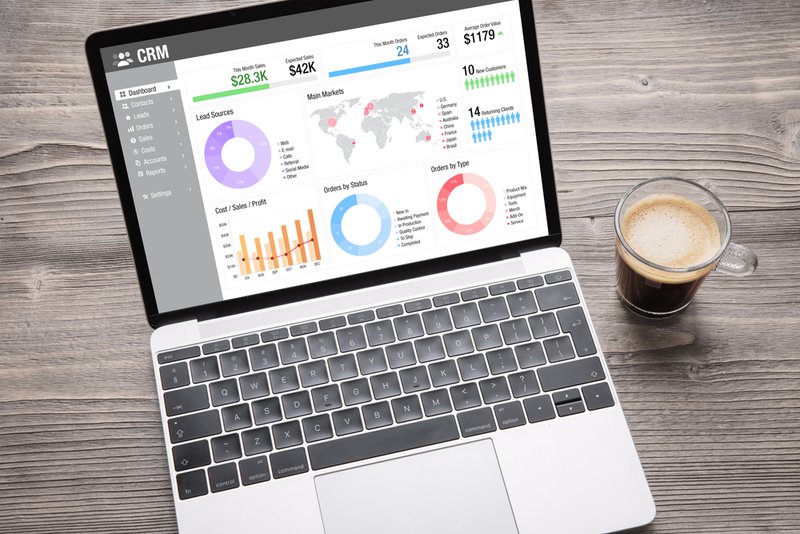
As you can see, incorporating data into your decision-making process gives you a competitive edge. You’ll optimize your operations and deliver better results for your customers.
Enhancing Sales Enablement and Presentations With Technology
The right home improvement technology is essential to your business’s success, particularly when it comes to sales enablement. Sales enablement refers to the tools, resources and strategies that empower your sales team to operate more efficiently and effectively.
A well-chosen sales enablement technology stack can boost your team’s performance by streamlining workflows, improving communication and driving higher sales. This stack might include CRM software, content management tools and analytics platforms—all working together to help sales reps close deals faster and with greater consistency.
One standout example of sales enablement technology is modern presentation software. Sales presentations are pivotal—they often determine whether a lead becomes a loyal customer or turns to a competitor.
Dynamic presentation tools that allow for visually compelling, data-driven and interactive content can significantly improve conversion rates. These tools enable sales teams to create engaging experiences that resonate with prospects.
Digital presentation tools such as Ingage’s Sales Enablement Suite help sales teams deliver more impactful presentations. They ensure sales reps have the latest, most effective content at their fingertips. For instance, Re-Bath used the Ingage Suite to deliver virtual presentations with before-and-afters, videos and time lapses that captivated their clients.
The ability to give virtual presentations also allowed the company to qualify potential leads before wasting time and money to travel to a client’s home. With Ingage, they’ve developed a sales enablement process that creates greater efficiency for their sales reps.
A sales enablement strategy that’s powered by advanced sales presentation software equips your team to deliver persuasive, impactful presentations. As a result, sales will skyrocket.
Building Strategic Tech Partnerships
Home improvement technology also means seeking out a partner for your business. The right tech partnership can accelerate your company’s growth by providing the tools and insights needed to stay competitive. When selecting a tech partner, consider their track record, scalability and support services. Ensure their solutions align with your business goals and can be smoothly integrated into your existing workflows.
In the home improvement industry, strategic tech partnerships have proven essential in optimizing business processes. For example, Kitchen Saver partnered with Ingage to enhance its sales processes.
With Ingage’s Sales Presentation Platform, Kitchen Saver’s sales director could track team performance in real time to identify valuable coaching opportunities. Many of the sales reps experienced a significant increase in close rates. One rep saw a leap from 19% to a 37%.
Kitchen Saver also saved on resources such as travel time and costs. Reps were able to conduct highly visual and interactive presentations remotely. What’s more, the platform allowed Kitchen Saver to offer more design and style options than ever. Instead of waiting for new physical samples, the latest trends and products were available to customers overnight via digital presentations.
This seamless integration of technology helped improve both efficiency and customer satisfaction. It illustrates the power of a well-chosen tech partnership.
Budgeting and ROI Analysis for Tech Investments
When considering technology investments, it’s essential to evaluate how they’ll pay off in the long run. One of the best ways to ensure a smart investment is to test demos of potential tools. This allows you to experience the pros and cons of different solutions and see how they integrate with your specific business operations.
As Tom Aleman, marketing strategist for West Shore Home, noted, “Ingage paid for itself within the first month.” This kind of rapid ROI highlights the importance of choosing the right tools for your needs.
To effectively budget for technology, evaluate both the upfront costs and the long-term benefits. Consider factors such as subscription fees, implementation time and potential savings from automation or increased efficiency. It’s also important to calculate the potential revenue boost from improved sales presentations or enhanced customer service.
Striking a balance between staying on the cutting edge of technology and managing financial constraints is key. Prioritize tech investments that directly align with your business goals and offer a clear path to ROI. This ensures your investments lead to sustainable growth over time.
Moving Forward With Strategic Home Improvement Technology Investments
Investing in the right home improvement technology for your business requires a careful balance between meeting immediate needs and planning for long-term growth. As decision-makers, it’s crucial to align your tech choices with your business goals. Doing so ensures each tool enhances operational efficiency, improves customer experience and empowers your sales teams.
At Ingage, we understand the unique challenges faced by the home improvement industry. Our Sales Presentation Platform enhances your sales strategies through powerful content management and collaboration tools tailored for sales and marketing teams. With features like dynamic presentation software, real-time analytics and seamless integration capabilities, Ingage empowers your team to deliver impactful, data-driven presentations that convert leads into loyal customers.
Don’t let technology overwhelm you—partner with Ingage to transform your sales presentations and drive your business forward. Schedule a free demo today and discover how Ingage can elevate your sales enablement efforts.