

More than ever, technology plays a key role in business survival and success. A company’s technological sophistication is critical to its productivity and efficiency. It can also help businesses attract and retain top employees and promote employee satisfaction.
Millennial and Gen Z professionals in particular expect employers to provide advanced tech tools that make their work both impactful and efficient. Modern technologies that facilitate remote work, digital learning, wellness and personalized career growth show a company’s commitment to innovation and ongoing development. This appeals to ambitious, tech-savvy candidates.
Boosting employee satisfaction is essential in today’s economy. Top talent has become increasingly hard to secure, and employees are more prone to switching companies if they’re unhappy. A 2024 Gallup report revealed that 42% of employee turnover is actually preventable. If not ignored, this could save companies thousands, if not millions of dollars.
As you set future goals, employee satisfaction and engagement should be high on your priority list. We explore how you can use tech to retain employees and prevent financial losses. In doing so, you’ll promote employee engagement and drive business growth.
The Link Between Technology and Employee Satisfaction
The link between technology and employee satisfaction is multifaceted. Through increased flexibility, productivity and collaboration, workplace technologies can have a profoundly positive impact on employee morale, engagement and overall job satisfaction.

Of course, the successful implementation and adoption of these technologies is crucial. When done right, the benefits to both employees and the organization can be substantial.
Increased Flexibility
The rise of remote work, cloud computing and mobile technologies has given employees unprecedented flexibility in where and how they work. This increased flexibility can have a direct and positive impact on employee satisfaction.
When people have more control over their schedules and work environments, they enjoy a better work-life balance. Flexible work can reduce stress and provides a greater sense of autonomy. It’s also been shown to boost morale, engagement and productivity.
Efficiency and Productivity
Mundane, repetitive tasks can demoralize qualified employees who would rather spend their time on higher-value, more rewarding work. Advancements in workplace technology, from project management software to automation tools, have made many processes more efficient. This increased efficiency can free up employees to focus on more gratifying work.
Take, for instance, sales reps who need to spend countless hours on administrative tasks, scheduling and capturing customer data. By automating these tasks and facilitating instant data capture and quoting, reps can spend more time engaging with customers, building relationships and providing a highly competitive service. When employees work smarter and accomplish more in less time, they feel accomplished and satisfied in their jobs.
Enhanced Communication and Collaboration
Collaboration tools such as video conferencing, cloud-based document sharing and team messaging apps have transformed the way colleagues interact and work together. These technologies enable more frequent, effective communication. This fosters stronger working relationships and a greater sense of community among employees.
Improved collaboration also facilitates the sharing of ideas, problem-solving and collective achievement. These are all key drivers of employee satisfaction.
Using Technology To Support Professional Development
A 2023 McKinsey report showed that a lack of career development was among the top six reasons for employee disengagement and attrition. Technology is an incredible tool to drive professional development and provide employees with learning resources.
Professional development improves your workforce caliber and can significantly boost employee engagement, satisfaction and retention. When employees feel you’re invested in their growth, they’re more willing to reciprocate by investing in their work and the business.
Training and E-Learning Platforms
Online training and e-learning platforms offer a flexible, self-paced approach to skills acquisition. They can often be tailored to the unique needs and interests of each individual. Through interactive modules, video lessons and knowledge assessments, you can empower your workers to continuously expand their capabilities.

The benefits of e-learning extend beyond just the employee. These platforms’ data offers valuable insights into skill gaps, training engagement and knowledge retention. This information can then inform the development of more targeted and effective learning programs. In addition, the cost-effectiveness and scalability of e-learning solutions make them an attractive option for businesses that want to invest in their people without straining their budgets.
Mentorship and Coaching Tools
Mentorship and coaching programs can significantly support employee growth and development. However, traditional in-person models are often difficult to scale and coordinate, especially in today’s hybrid and remote work environments. Digital mentorship and coaching tools enable you to connect employees with experienced guides and advisors regardless of their physical location.
These platforms provide a structured framework for mentorship relationships through features such as goal setting, progress tracking and secure communication channels. Employees benefit from personalized guidance, feedback and the opportunity to learn from the expertise of more seasoned professionals. Mentors can share their knowledge and insights while also developing their own leadership skills.
Beyond the individual-level impact, digital mentorship and coaching tools can help cultivate a stronger sense of community and belonging. These solutions promote meaningful connections across departments and hierarchical boundaries, which can break down silos. This essentially fosters a more collaborative and supportive work culture that boosts employee satisfaction.
Tracking Progress and Goals
Empowering employees to set personalized goals, track their progress and receive real-time feedback is a crucial component of a comprehensive professional development strategy. Technology-enabled tools can streamline this process. Specifically, they provide a centralized platform for employees to manage their growth and development.
These platforms typically allow individuals to define their own objectives, such as skill acquisition, performance improvement or career advancement. Employees can then monitor their progress against these goals with data-driven insights and performance metrics that gauge their success. These tools also facilitate ongoing feedback and coaching from managers, which builds a culture of continuous improvement.
By giving employees greater visibility and ownership over their professional development, these tracking and goal-setting solutions can have a significant impact on engagement and satisfaction. Individuals feel empowered to take an active role in their growth. In addition, the transparency and accountability built into the process can help strengthen the employee-employer relationship.
What’s more, the data generated by these tools can provide valuable insights for leaders. Companies can analyze trends in goal setting, progress and feedback to identify areas for improvement. They can also allocate resources more effectively and develop tailored support programs to meet the evolving needs of their workforce.
Employee Engagement Through Digital Tools
Employee engagement refers to the enthusiasm and commitment employees display toward their work, organizational goals and values. Engaged employees are more motivated and productive, which significantly contributes to a company’s success.
Digital tools can boost engagement levels through streamlined communication. They also foster a more connected and efficient work environment.
Gamification and Recognition Platforms
These solutions integrate game-like elements, such as points, leaderboards and badges, into the work experience to promote friendly competition and celebrate achievements. For example, sales teams may use gamified apps to track their progress toward quotas, compete for bonuses and recognize top performers. This makes routine tasks more enjoyable and taps into employees’ innate desires for mastery, autonomy and social belonging—key drivers of engagement.
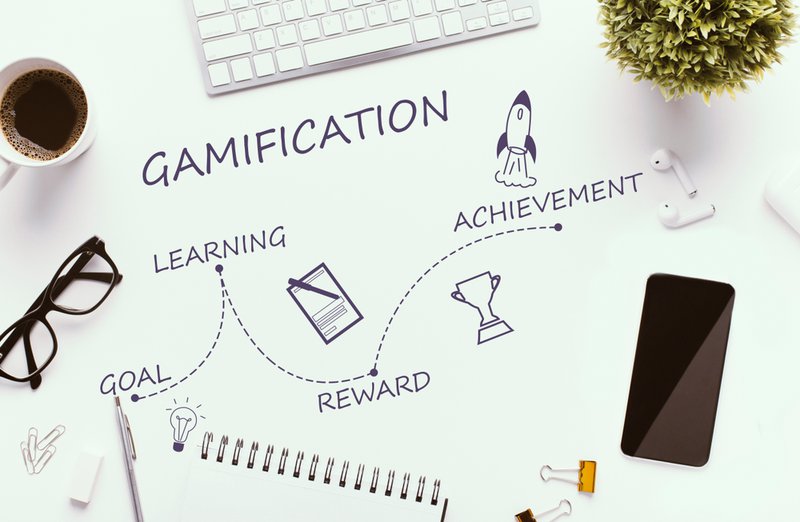
A 2019 survey found that 89% of employees agreed that gamification in operations would make them more productive. In addition, companies that used gamification in training saw a 60% increase in employee engagement.
Surveys and Feedback Tools
Another critical component of employee engagement is enabling workers to provide honest, continuous feedback to their employers. Digital survey and feedback tools make it easier than ever for organizations to gather insights on employee satisfaction, identify pain points and respond to evolving needs.
Pulse surveys, anonymous feedback channels and real-time engagement dashboards empower employees to voice their opinions and feel heard. This level of transparency and responsiveness can go a long way in building a culture of trust, collaboration and mutual investment. When employees believe their feedback is valued and actioned, they’re more likely to be engaged and committed to business success.
Wellness Apps
A McKinsey report cited “lack of support for employee health and well-being” as the 8th most-cited reason for employee disengagement, often contributing to attrition. Digital wellness apps and platforms, such as meditation and mindfulness tools, fitness trackers and nutrition guides, enable workers to prioritize their physical and mental health. This is a key factor in maintaining high levels of energy, focus, productivity and job satisfaction among employees.
When organizations provide easy access to wellness resources and incentivize healthy behaviors, they show a genuine commitment to their employees’ overall welfare. This can foster a greater sense of loyalty, belonging and engagement within the workforce.
Technology as a Driver for Organizational Growth
Beyond employee satisfaction, technological tools also promote overall organizational growth. When you take care of your employees, you take care of your business.
Empowering Employees for Innovation
Giving employees the right technological resources can unleash their creative potential and drive innovation from within. Access to collaborative platforms, data analytics tools and automation software empower workers to streamline workflows, uncover insights and dedicate time to proactive innovative solutions. This sense of empowerment boosts employee satisfaction and positions your organization to stay agile and responsive in a fast-paced, competitive landscape.
Scalability and Efficiency
Technology also enables organizations to scale operations and enhance overall efficiency. Robust enterprise systems, cloud-based infrastructure and intelligent process automation help companies handle growing workloads, reach new markets and optimize resource allocation.
Companies can scale without significant budget requirements and increase efficiency without raising labor costs. This boost in productivity and agility improves financial performance and boosts organizational resilience.
Take, for example, a content management and digital presentation tool like Ingage. Managers and employees can create and share on-brand, interactive sales presentations on the cloud-based platform. These can be updated with the latest deals and sales content at any time and accessed remotely by the team.
With on-demand pricing and instant access to customer details, employees are well-equipped to provide professional sales pitches with confidence. Managers and sales teams can also access analytics to improve sales strategies and performance. As a result, they can better adapt to market trends and consumer needs.

Best Practices for Leveraging Tech To Boost Employee Satisfaction
Before diving into new technologies, you must assess your current processes and employee pain points. This evaluation process will help ensure your tech investments are strategically aligned to deliver maximum benefits.
Choose the Right Tools
Start by analyzing your existing workflows, procedures and challenges. For instance, where are your teams spending the most time and effort? What repetitive or manual tasks are draining their productivity? Are there any consistent bottlenecks or areas of friction? Gather insights from employees across different departments to get a well-rounded understanding of your organization’s unique challenges.
Prioritize the issues you’ve uncovered based on their potential impact. Focus on changes that will yield the greatest improvements in efficiency, employee satisfaction and profitability as you evaluate potential technology solutions.
Provide Adequate Training
Comprehensive training and ongoing support will ensure your employees embrace and use new technologies effectively. Offer in-depth training sessions that walk users through the key features and functionality of new systems. Provide step-by-step guides, tutorials and dedicated support channels to address questions and concerns as they arise.
Also, designate internal champions who can serve as go-to resources and facilitate peer-to-peer learning. With the right support strategies, you can empower your teams to fully leverage new technologies and maximize their benefits.
Continuous Feedback and Iteration
Ongoing review and improvement are essential to sustain the value of your technology investments. Encourage your employees to actively participate in the feedback process. Invite them to share their perspectives, ask questions and provide input on how you can better support their professional development and productivity.
Regularly evaluate and update your tech solutions to adapt to evolving business needs and industry trends. Collecting user feedback and analyzing usage data can inform incremental enhancements over time.
Leveraging Technology for Lasting Employee Satisfaction
The link between technological innovation and employee satisfaction is undeniable. With the right digital tools, you can empower your workforce, boost productivity and build a culture of engagement and growth.
Ingage’s cloud-based presentation software integrates seamlessly with your existing systems to streamline workflows, enhance collaboration and deliver visually engaging, on-brand presentations. Through interactive elements, real-time analytics and seamless content management, your team can effortlessly create engaging presentations that drive results.
Ingage’s new PriceKit feature also lets you showcase your product’s true market value, add discounts to highlight savings and show financing options for customers. You can update and lock down offers at any time, so your team only presents authorized discounts and financing options. With instant sharing, your team will always have access to the latest pricing and promotional materials, regardless of their location.
In addition, Ingage enables you to leverage analytics, marketing, referral, sales, financing and other capabilities to drive efficiency, smart decision-making and growth. Elevate employee satisfaction with Ingage’s leading digital tools and foster a sense of loyalty, motivation and purpose among your team. Get your free demo today.