

Home improvement business owners face a rapidly evolving technological landscape. From online booking systems to smart home integrations, the pace of change can feel dizzying. But embracing new technologies is crucial to stay competitive and meet modern consumers’ expectations. In this article, we explore key technology adoption strategies that savvy home improvement business owners can uses to drive growth, boost efficiency and deliver exceptional customer experiences.
Whether you want to streamline your operations, enhance your online presence or future-proof your business, these insights will help you navigate the digital transformation of the home services industry.
Assessing Your Business Needs Before Technology Adoption
Before you dive into new technologies, it’s crucial to step back and thoroughly assess your current operations and pain points. This evaluation process will help ensure any technology investments align with your most pressing business needs and yield maximum return on investment (ROI).
Identifying Key Pain Points
Start with an in-depth analysis of your existing workflows, procedures and challenges. For instance, where are your teams spending the most time and effort? What repetitive tasks are draining productivity? Are there any consistent bottlenecks or areas of friction for your customers? Gather input from employees across different departments to get a well-rounded understanding of your business’s unique challenges.

Next, prioritize the challenges you’ve identified based on their potential impact. Which problems, if solved, would yield the greatest improvements in efficiency, profitability or customer satisfaction? These should be your top priorities when you evaluate technology solutions.
For example, perhaps you’ve noticed that your scheduling and dispatching processes are highly manual and error-prone, leading to missed appointments and frustrated customers. A smart scheduling and routing platform could streamline these workflows, automatically dispatching technicians to jobs based on availability and location. The time savings and improved customer experience would likely provide a strong return on your technology investment.
But if your website is outdated and difficult to navigate, that may be a more pressing issue to address before turning your attention to other areas. When you focus on the pain points that have the biggest impact on your business first, you can ensure your technology adoption efforts deliver maximum value.
Remember, the goal isn’t to adopt technology for technology’s sake, but to strategically leverage it to solve your most critical operational challenges. Taking the time to thoroughly assess your business needs will put you on the path to making informed, impactful decisions.
Setting Clear Goals for Technology Adoption
Once you’ve identified your key business pain points, the next step is to establish clear, measurable goals for how new technologies can address those challenges. Start by defining the key outcomes you want to achieve.
Do you want to reduce administrative overhead by 20%? Increase customer satisfaction ratings by 30%? Boost technician productivity by 15%? Be as specific as possible with your target metrics.
Next, consider the broader objectives your technology adoption strategies should support. Do you want to streamline operations, enhance your online presence or future-proof your business against industry disruption? Aligning your tech goals with your overarching business priorities will create a cohesive roadmap for success.
It’s also important to think about the timeline for achieving these goals. Do you need quick wins to address immediate needs, or are you pursuing longer-term, transformative changes? Outlining a phased approach can help you manage expectations and track progress along the way (more on this below).
Setting clear, measurable goals up front enables you to effectively evaluate potential technology solutions. You’ll also be better poised to secure buy-in from stakeholders and monitor the impact of your technology adoption strategies and investments.
Building a Technology Adoption Roadmap
Based on your previously defined business goals and prioritized pain points, develop a comprehensive roadmap that outlines a step-by-step plan for implementing new tools and systems.
Phased Rollout Strategy
Instead of attempting a wholesale technology overhaul, savvy home improvement business owners are adopting more measured, phased technology adoption strategies. This allows them to mitigate risks and manage change more effectively. They can also ensure a smoother transition for their teams and customers.

Start by identifying quick-win solutions that can deliver immediate benefits, such as automating repetitive administrative tasks or enhancing your online booking experience. These early successes will help build momentum and demonstrate the value of your technology investments to stakeholders.
Then, map out a phased rollout strategy for more complex, transformative solutions. Break larger initiatives into manageable stages, tackling one workflow or department at a time.
Phasing your rollout also gives your teams time to adapt to new tools and processes. Provide clear communication and ample support to ease the transition and drive user adoption. A well-crafted roadmap will be your north star, guiding you through the digital transformation journey.
Prioritize Integration With Existing Systems
When selecting new technologies for your home improvement business, it’s essential to prioritize solutions that can seamlessly integrate with your existing systems and workflows. Implementing disparate, siloed tools can create unnecessary complexity, data silos and operational inefficiencies. This will only undermine the value of your technology investments.
Instead, look for technologies that can easily connect with your current software, database and processes. For instance, your accounting platform, customer relationship management (CRM) system and inventory management tools. Robust integration capabilities will let you centralize data, share information automatically and create a more cohesive, streamlined technology ecosystem.
Beyond technical compatibility, also consider the user experience. New tools should complement and enhance the way your teams already work. Prioritize solutions with intuitive designs and seamless user experiences to drive faster adoption and maximize productivity gains.
When you prioritize integration from the outset, you can avoid the headaches and disruptions that come with disconnected systems. This strategic approach will set the stage for technology adoption that delivers tangible benefits across your entire business.
Overcoming Common Challenges in Technology Adoption
The adoption of emerging technologies can present significant challenges. But with the right technology adoption strategies, you can avoid setbacks and complications.
Resistance to Change
While tech adoption in sales processes can be hugely beneficial, it’s not always welcomed with open arms. Change is disruptive, uncomfortable and requires effort, especially in its initial phases. Employees may be reluctant to embrace unfamiliar technologies, dreading disruption to their established workflows.
The following strategies can help you get your team on board:
- Clearly communicate the “why” behind the technology adoption. Help employees understand how the new tools will benefit them and the business. Emphasize how it will make their jobs easier or more efficient.
- Maintain open communication with key stakeholders during selection and implementation to both address their concerns and build buy-in.
- Provide comprehensive training and ongoing support. Ensure employees feel comfortable and confident using the new systems.
- Celebrate small wins and successes along the way. This will help build momentum and enthusiasm for the changes.
- Lead by example. Have managers and executives model the desired behaviors and usage of the new technologies.
- Gather feedback and be open to adjustments. Be willing to adapt the rollout plan based on employee input.
- Emphasize the long-term benefits over short-term disruptions. Help employees see the bigger picture and value of the changes.

Budget Constraints
Thoroughly evaluate the pricing structures, subscription models and any additional costs related to implementation, training and maintenance when selecting your software. Specifically, analyze the total cost of ownership (TCO) and assess the potential ROI of the proposed solution. This may involve estimating the expected improvements in productivity, efficiency and revenue. Carefully weigh the software’s cost against its expected benefits to make a more informed decision.
Training and Support
Providing comprehensive training and ongoing support will drive successful technology adoption within your home improvement business. Many employees may feel apprehensive about learning new tools and processes, so it’s important to prioritize change management alongside the technical implementation.
Offer in-depth training sessions that walk users through the key features and functionality of new systems. In addition, provide step-by-step guides, tutorials and dedicated support channels to address questions and concerns as they arise. Designate internal champions who can serve as go-to resources and help facilitate peer-to-peer learning.
Also, regularly gather feedback to identify areas where additional training or support may be needed. With the right enablement strategies, you can empower your teams to embrace new technologies and maximize their benefits.
Implementing and Scaling Technology in Your Home Improvement Business
When rolling out new technologies, consider starting with a small pilot project before scaling across your entire organization. This measured approach lets you work out any kinks, gather user feedback and make necessary adjustments before broader deployment.
Begin by targeting a specific workflow or department that can benefit most from the technology. Test the solution in a controlled environment, analyze the results and refine as needed.
Once you’ve validated the technology’s impact and user adoption, you can gradually expand it to other areas of your business. This phased strategy helps manage change, mitigate risks and ensure a smoother transition for your teams. It can also lessen the overwhelm of adapting to a new system, which improves adoption and reduces errors.
Measuring Success and Optimization
To ensure your investment and technology adoption strategies deliver the desired results, it’s critical to establish key performance indicators (KPIs) and continuously monitor their impact. This data-driven approach will enable you to track progress, identify areas for improvement and optimize your technology solutions over time.
Consider the following important metrics:
- Operational efficiency: Time savings and productivity gains
- Customer satisfaction: Reduced call volumes and improved ratings
- Financial impact: Cost savings and net profit
- Lead generation: Volume and quality of leads from automated marketing and lead conversion rates
- Sales productivity: Call and meeting volumes, proposals sent and average sales cycle length
- Revenue growth: Top-line revenue, average order value and customer lifetime value
In addition, be willing to make changes according to your findings. Solicit input from employees and monitor user adoption trends. This agile approach will help you maximize the value of your technology investments and ensure they continue to align with your evolving business needs.
Future Trends in Home Improvement Technology
New technologies that meet ever-changing customer needs can create efficiencies, boost productivity and unlock new revenue streams for home services companies.
Emerging Technologies in Home Services
Artificial intelligence (AI) and machine learning (ML) are key emerging tech developments. These technologies enable more personalized home improvement recommendations and automated assistance for customers. AI-powered chatbots and virtual assistants can provide 24/7 support, while ML algorithms analyze customer data to suggest tailored products and services.
Augmented reality (AR) and virtual reality (VR) technologies enable customers to visualize how new fixtures, furniture or renovations will look in their actual living spaces before making purchases. This can dramatically reduce returns and improve customer satisfaction. In addition, augmented reality can give technicians real-time access to data and step-by-step instructions during service calls to improve first-time fix rates.
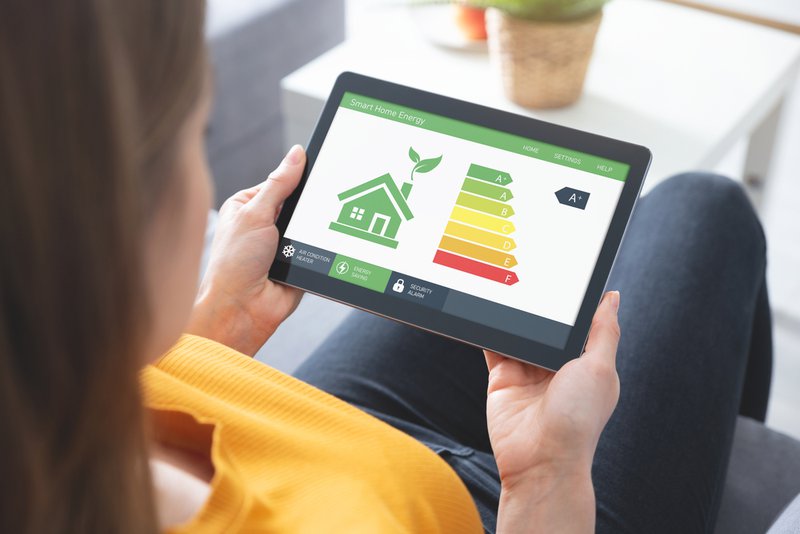
What’s more, the Internet of Things (IoT) integrates home improvement products and services into interconnected smart home systems. This enables remote monitoring, predictive maintenance and the seamless integration of new upgrades. As a result, the home improvement process is more streamlined and efficient.
Overall, these emerging tech trends point to a future of more personalized, immersive and automated home improvement experiences that benefit both the business and its customers.
Evolving Customer Expectations
With a new generation of homeowners, customer demands are evolving. Home improvement customers demand seamless, on-demand scheduling, real-time job status updates and personalized, mobile-friendly experiences. They also want tech-enabled experiences that provide greater convenience, transparency and control.
Emerging trends like voice-activated smart home integrations, augmented reality design tools and on-demand scheduling are becoming table stakes. In addition, sustainability and environmental impact have become key purchasing factors, as homeowners look to work with providers that offer eco-friendly products and practices.
Forward-thinking home improvement companies are already investing in cutting-edge technologies to future-proof their offerings. By anticipating and adapting to these changing customer demands, savvy business owners can position themselves as industry leaders and deliver exceptional experiences that drive loyalty and growth.
Mastering Technology Adoption Strategies To Propel Sales
Digital transformation strategies that align with your unique business needs and goals will streamline your operations. More importantly, they’ll also enhance the customer experience and future-proof your company against industry disruption.
The right technology partner can make all the difference. Ingage offers dynamic presentation and sales enablement tools that integrate seamlessly with your existing systems. This empowers your teams to deliver exceptional, tech-enabled experiences that drive growth.
In addition to creating easily accessible, interactive sales presentations, Ingage allows you to leverage analytics, referral, sales, marketing, financing and other capabilities to drive efficiency, smart decision-making and growth. To learn more about how Ingage can help you capitalize on the digital transformation of the home services industry, schedule a demo today.