
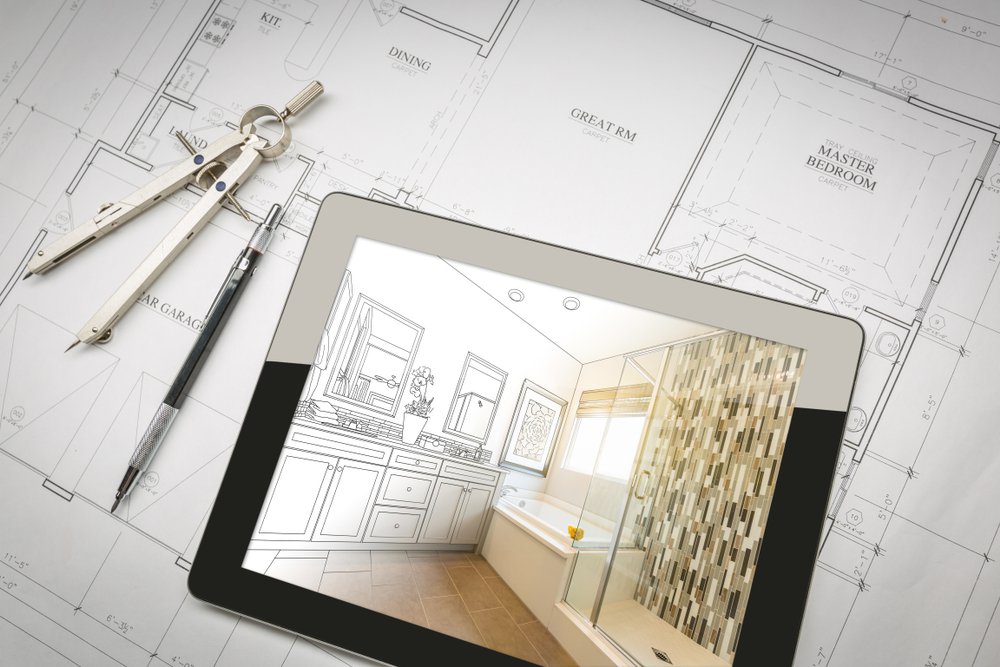
Today’s homeowners demand seamless, on-demand home improvement services and personalized, mobile-friendly experiences. Emerging business technology can help you meet these evolving expectations and streamline your operations.
A new generation of robust, customer-centric digital platforms deliver convenience, transparency and customization. This guide explores how you can leverage such tech to enhance customer experiences and gain a competitive edge.
The Impact of Business Technology on Home Improvement Sales
How homeowners and businesses approach home improvement has changed drastically over the past years. Technology has not only transformed how our homes operate, but it has also broadened home improvement services and prompted a more integrated consumer journey.
Digital Transformation in Home Improvement
Modern consumers have a world of information as well as product and service options at their fingertips. They also have easy access to online consultations and remote project management.

Digital tools and business technology empower home services companies to better meet the evolving needs and expectations of modern consumers through every stage of the sales process. For instance, laser technology for measurements, instant remodeling visualizations and predictive maintenance. Technology integration allows faster, safer and more affordable home improvement services.
In addition, technology is transforming the back end of the industry by automating mundane administrative processes. It can also improve operational efficiency and generate analytics for data-driven decisions.
Benefits of Business Technology Integration in Sales
With the right tech adoption strategies, business technology can significantly impact your sales. Consider the following benefits:
- Automated lead management, follow-ups, quoting and scheduling reduce time-intensive manual tasks, streamline sales processes and improve productivity.
- Advanced customer insights through analytics improve marketing accuracy and effectiveness.
- Improved consumer and operational insights allow strategic, data-driven decision-making.
- Increased flexibility and scalability let you adapt to changing market demands and trends.
- Timely service, improved communication and personalized recommendations enhance the customer experience.
- Innovative technologies differentiate your business for a clear competitive advantage.
- Virtual consultations reduce both travel time and business expenses. They also enhance customer convenience to reduce friction in the sales process.
Key Business Technology Revolutionizing Home Improvement Sales
The right enterprise software solutions and process automation tools will empower you to nurture leads, close deals faster and maximize revenue growth. Leading home services companies are leveraging the following essential business technologies to gain a competitive advantage:
1. CRMs and Customer Data Platforms
A customer relationship management (CRM) system is powerful technology that can help your business track leads, manage customer relationships and optimize sales funnels. It enables you to centralize customer information, such as contact details, purchase history and communication logs. This gives your sales reps a comprehensive view of each customer so they can personalize their outreach and nurture leads more effectively.
What’s more, CRMs provide features that automate tasks like follow-ups, scheduling appointments and generating reports. They also streamline sales processes and improve efficiency.
Customer data platforms (CDPs) aggregate data from multiple sources, such as your CRM, website, social media and other touchpoints, for a 360-degree view of customer behavior. This unified profile gives you deeper insights into your customers’ preferences, behaviors and pain points.
With these insights, you can then tailor your marketing and sales strategies to better meet customer needs, which increases satisfaction, loyalty and sales. CDPs can also help you identify cross-sell and upsell opportunities and segment your customer base for more targeted campaigns.
CRMs and CDPs offer the following benefits for home improvement sales:
- Improved lead management and conversion rates
- Enhanced customer relationships and loyalty
- Personalized marketing and sales outreach
- Streamlined sales processes and increased efficiency
- Data-driven decision making and optimization of sales funnels
2. Presentation and Proposal Software
Digital presentation software has become a powerful tool for home improvement sales teams. This business technology can enhance visual appeal, improve global reach and provide insights into audience engagement. A tool like Ingage allows you to create engaging, interactive and accessible results-driven presentations with the following standout features:
Interactive Elements
Interactive elements such as animations, 3D models and clickable infographics make presentations more engaging and visually dynamic. They also make complex ideas or data easier to understand.

For instance, Ingage provides a range of built-in tools and features that make incorporating interactive elements effortless. These include pop-ups, polls, click-to-reveal content, before and after sliders, videos, non-linear navigation and actioning buttons.
Responsive Design
Responsive design automatically optimizes your presentation to ensure it’s both accessible and visually appealing across different devices and screen sizes.
Cloud-Based
Cloud-based presentation software enables you to access and edit your presentations from anywhere and on any device.
Customizable Samples
Presentation tools like Ingage provide a selection of pre-designed, customizable presentation samples and design elements. You can then create visually appealing, cohesive and professional-looking pages quickly, regardless of your graphic design skills.
Analytics
Analyzing detailed data on audience behavior can provide strategic insights to improve future digital presentations. This data can reveal which visual aids or multimedia elements are most effective at driving engagement and which slides or sections failed to keep the audience’s attention.
3. AI and Machine Learning Business Technology
Through the power of artificial intelligence (AI) and machine learning (ML) business technology, home improvement companies can streamline operations, enhance the customer experience and drive more sales in the following ways:
Personalized Product Recommendations
AI-powered recommendation engines can analyze a customer’s browsing history, past purchases and other data to suggest products and services tailored to their specific needs and preferences. As a result, you can improve cross-sell and upsell opportunities and provide a more personalized and relevant consumer experience.
Predictive Demand Forecasting
Machine learning algorithms can comb through sales data, market trends and other information to predict future demand for home improvement products and services. This allows businesses to optimize inventory levels and ensure the right products are available when customers need them.
Virtual Design Assistants
AI chatbots and digital design tools can help customers visualize how products will look in their homes. With 3D product models and augmented reality (AR), these assistants can boost customer confidence in their purchasing decisions.
Automated Lead Nurturing
AI can automate parts of the sales funnel, such as lead scoring, email marketing and follow-up communications. This frees up sales reps to focus on high-value interactions while ensuring no leads fall through the cracks.
Sentiment Analysis
Machine learning can monitor customer reviews, social media and other feedback to detect emerging trends and sentiment around home improvement brands and products. Such intelligence can inform product development, marketing messaging and customer service strategies.
4. Mobile and Cloud Business Technology Solutions
Sales reps need access to important information and tools from anywhere, whether they’re in the field, at a trade show, or working remotely. Cloud-based platforms allow reps to pull up product details, pricing and customer histories on their mobile devices. This improves their responsiveness and ability to provide a seamless, informed customer experience.

When sales reps can update customer records, inventory levels and other critical details in real time through mobile apps or web portals, everyone in the organization can work from the same information. This eliminates the delays, errors and frustration that occur when data is siloed or out-of-date.
In addition, cloud-based presentation tools and virtual meeting capabilities enable sales reps to collaborate with colleagues and customers in new ways. They can share screens, annotate documents and get input from subject matter experts, even when not in the same physical location.
Mobile apps can automate and simplify common sales tasks such as generating quotes, placing orders, scheduling appointments and logging activities. This frees up reps to focus on high-value interactions rather than administrative busywork.
In an industry where customer relationships and responsiveness are paramount, the right mobile and cloud business technology can be a major competitive advantage for home improvement company sales reps.
Implementing Business Technology in Home Improvement Sales
To select the right home services software for your business, it’s important to first identify your specific needs. Then, formulate a structured implementation process.
Assessing Your Business Needs
Clearly defining your business needs will help you evaluate technology options more effectively and ensure you invest in a solution that provides the greatest value. Use the following steps to identify pain points and operational challenges in your current home improvement sales process:
- Map the sales workflow. Document the end-to-end sales process, from lead generation to post-sale follow-up. Identify each step, the stakeholders involved and the tools/systems used so you can visualize the full scope of the sales operation.
- Conduct interviews and focus groups with your sales team. Ask them about their daily challenges, inefficient processes and frustrations.
- Review key performance indicators (KPIs). These include lead-to-close ratios, average sales cycle length and customer churn rates. Look for areas where metrics underperform, as these could indicate underlying problems.
- Map out the typical customer journey. Identify friction points where customers may get frustrated or confused. This could include issues with scheduling, estimating, ordering or post-sale support.
- Identify technology gaps. Evaluate the software, tools and systems currently used by the sales team. Are there integration issues, data silos or a lack of mobile functionality that are hampering productivity?
- Assess the sales team’s skill levels and comfort with existing tools and technologies. Gaps in training or knowledge could be contributing to operational challenges.
Examine the current sales process from multiple angles to uncover the most pressing pain points and operational roadblocks. Doing so lays the groundwork for choosing the right business technology solutions to drive meaningful improvements.
Selecting the Right Business Technology Solutions
When researching software solutions for your business, look for options that closely match your needs. Compile a list of potential products and thoroughly evaluate each one. Consider factors like features, functionality, scalability, user-friendliness, integration capabilities and customer feedback.
Pay close attention to how well the software aligns with your requirements and can address your key pain points. Also, evaluate the vendor’s reputation, financial stability and commitment to ongoing product development and support.
Before you make a final decision, test the software in a real-world environment. Arrange for trials, demos or proof-of-concept projects to evaluate the software’s performance, usability and compatibility with your existing systems and workflows.
Planning for Implementation
As you prepare to implement your new business technology, keep the following steps in mind:
- Develop a realistic timeline with key milestones and deadlines for rolling out the new system.
- Define clear roles and responsibilities for project managers and IT staff.
- Assess data requirements and plan for migrating existing data and integrating with current systems.
- Test thoroughly and consider a phased rollout to minimize disruption.
- Establish governance structures to manage software usage, updates and security.
- Create a change management strategy to address employee concerns.
- Develop a robust training plan for employees and provide ongoing support and resources.

Measuring Success and ROI
To measure the impact of your technology investment on business growth, monitor the following key metrics:
- Lead Generation: Volume and quality of leads generated through marketing automation, lead conversion rates and lead-to-opportunity ratios.
- Sales Productivity: Calls made, meetings booked, proposals sent and average sales cycle length.
- Revenue Growth: Top-line revenue, average order value and customer lifetime value.
- Customer Retention: Customer churn rates, renewal rates and net promoter scores.
Overcoming Common Challenges in Adopting Business Technology
Adopting new business technology can present significant challenges. But with the right approach, you can overcome them.
Resistance to Change
Employees may be reluctant to embrace unfamiliar technologies, fearing the disruption to their established workflows. Addressing employee reluctance and fostering a culture of innovation is crucial for successful technology adoption.
Clearly communicate the benefits, provide comprehensive training and empower employees to champion the new system. Also, celebrate early wins and continuously solicit feedback to address concerns and drive user engagement.
Cost and Budget Concerns
When choosing your software, carefully analyze the pricing structures, subscription models and any additional costs associated with implementation, training and maintenance. Determine the total cost of ownership (TCO) and assess the potential return on investment (ROI) the solution can provide.
This may involve calculating the expected improvements in productivity, efficiency and revenue. Balancing the software’s cost with the anticipated benefits will help you make a more informed decision.
Implementation Hurdles
The following strategies can help you overcome common business technology implementation hurdles:
- Outline a phased rollout approach rather than a sudden, company-wide deployment. This allows for gradual adoption, user feedback and adjustments as needed.
- Ensure strong vendor support throughout the implementation process, with dedicated training and troubleshooting resources available.
- Communicate the benefits of the new technology clearly to all stakeholders and address any concerns.
- Allocate sufficient, dedicated time and resources for the implementation and be prepared to address any unexpected challenges that may arise.
- Don’t rush it or take shortcuts. Instead, use a thoughtful, step-by-step approach.
The Future of Home Improvement Sales: Leveraging Business Technology
As the industry becomes more competitive, the home services companies that can deliver exceptional, technology-enabled experiences will be best positioned to capture a larger share of this expanding market.
At Ingage, we’ve designed a cutting-edge digital presentation, content management and collaboration platform specifically for the home improvement industry. We continuously develop and add new features to ensure you stay one step ahead.
In addition to creating dynamic, interactive sales presentations, Ingage allows you to leverage referral, sales, analytics, marketing, financing and other capabilities for maximum results. Schedule a free demo today to learn how business technology can revolutionize your sales efforts and customer satisfaction.